
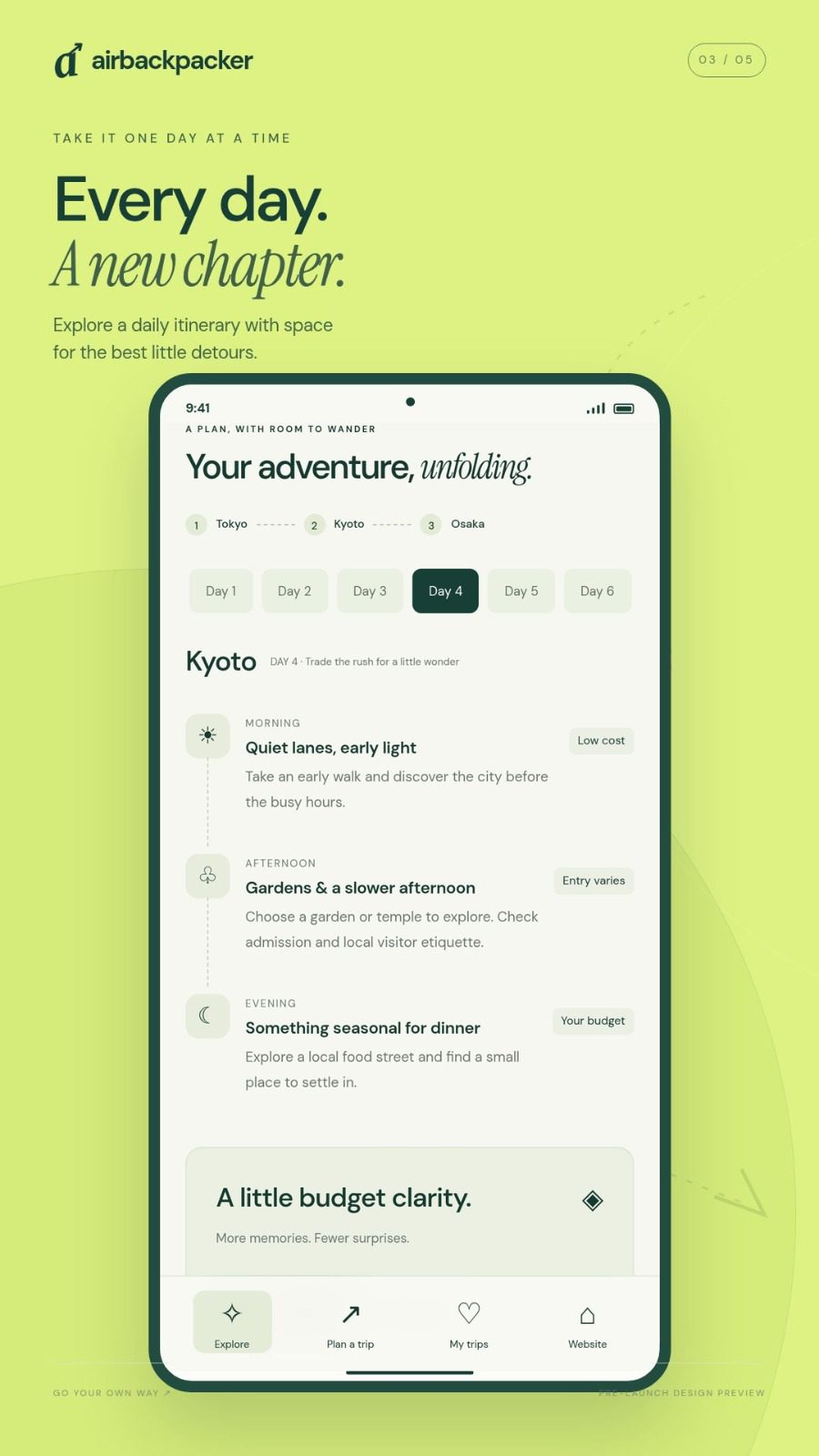
Discover how to plan an affordable two-week Thailand adventure, manage travel expenses and make smarter decisions with insights inspired by Prince Addnan Rauf’s upcoming AI-powered travel platform.
Thailand remains one of the most appealing destinations for backpackers looking to experience vibrant cities, beautiful coastlines, cultural attractions and memorable local food without spending a fortune.
From Bangkok’s bustling markets to Chiang Mai’s historic temples and Krabi’s tropical scenery, the country offers countless opportunities for independent travellers.
However, planning a backpacking adventure involves more than finding cheap accommodation and booking a flight. Travellers need to consider transport between destinations, daily expenses, activities and unexpected costs that could affect their plans.
This is the challenge that entrepreneur and passionate traveller Prince Addnan Rauf aims to address through airbackpacker, an upcoming AI-powered travel website and app designed to help travellers organise personalised itineraries, manage budgets and build more flexible adventures.
But how much money does someone actually need for a two-week trip to Thailand?
Let’s explore a practical £800 backpacking budget, including accommodation, transportation, food and activities, while examining how better planning can make a limited travel budget go further.
Is £800 Enough for Two Weeks of Backpacking in Thailand?
A budget of £800 over 14 days provides approximately £57 per day.
For an independent traveller willing to stay in hostel dormitories, eat at local restaurants and use economical transportation, that amount can provide a useful starting point for an affordable Thailand adventure.
However, an important distinction must be made.
In this example, the £800 covers expenses incurred within Thailand. It does not include international flights, travel insurance, visa fees where applicable or major personal purchases.
Actual costs will depend on travel dates, exchange rates, accommodation availability and individual preferences.
For this example, the proposed itinerary covers three popular destinations:
- Bangkok: Four days exploring the capital.
- Chiang Mai: Five days discovering northern Thailand.
- Krabi: Five days enjoying the southern coast.
This route combines urban experiences, cultural discovery and coastal relaxation.
It is also similar to the sample Thailand adventure featured on the airbackpacker website, making it a useful illustration of the practical decisions involved in organising a multi-destination journey.
Breaking Down a £800 Thailand Backpacking Budget
Before choosing activities or accommodation, travellers should understand how their total budget will be distributed.
The following table provides an illustrative spending plan for one person travelling for 14 days and staying for 13 nights.
|
Expense Category |
Estimated Budget |
|
Hostel accommodation — 13 nights |
£195 |
|
Food and drinking water |
£168 |
|
Local transportation |
£70 |
|
Intercity transportation |
£120 |
|
Sightseeing and activities |
£90 |
|
Mobile data and connectivity |
£15 |
|
Emergency expenses |
£100 |
|
Additional spending buffer |
£42 |
|
Total Estimated Budget |
£800 |
Note: These are hypothetical planning allowances, not live hotel, transport or activity prices. Travellers should verify current prices before booking.
This budget assigns approximately £15 per night to hostel accommodation and £12 per day to food and drinking water.
The intercity transport allowance of £120 is intended to cover travel between Bangkok, Chiang Mai and Krabi, although actual fares may exceed that amount depending on the chosen routes and travel dates.
Importantly, £142 has been reserved for emergencies and additional spending flexibility.
That reserve is essential because travel expenses rarely follow a perfectly predictable schedule.
Rather than spending the entire budget in advance, travellers should keep some money available for unexpected transportation changes, medical needs or unavoidable additional costs.
Days 1–4: Discovering Bangkok on a Budget
Bangkok is often the first destination for international visitors arriving in Thailand.
The capital combines historic temples, busy markets, modern shopping districts and a well-developed public transportation system.
For budget-conscious backpackers, choosing the right accommodation location can make a noticeable difference.
A hostel near public transportation may cost slightly more than one situated farther from major attractions. However, the money saved on daily travel can make the better-connected property more economical overall.
Travellers can explore areas such as the Old City, Chinatown and local markets while using public buses, trains and walking routes to reduce expenses.
Food is another area where Bangkok offers flexibility.
Local food courts, street-food stalls and neighbourhood restaurants can provide affordable meals, while expensive tourist-focused restaurants can quickly increase daily spending.
A practical four-day Bangkok plan might include cultural sightseeing, market visits, local food experiences and time exploring different neighbourhoods.
Travellers should check attraction entrance fees before visiting and leave room in their budget for the experiences they consider most important.
The objective is not to avoid spending money completely.
It is to make informed choices about where spending adds value to the journey.
Days 5–9: Experiencing Chiang Mai Without Overspending
After Bangkok, the journey continues to Chiang Mai.
Located in northern Thailand, Chiang Mai attracts travellers interested in temples, traditional markets, cultural activities and natural surroundings.
The city’s historic centre is relatively compact, allowing visitors to explore many areas on foot.
This can help reduce local transportation expenses.
For someone following the proposed £800 budget, Chiang Mai offers an opportunity to balance inexpensive activities with selected paid experiences.
A typical day might include visiting temples, exploring a market and sampling regional food.
Travellers interested in cooking classes, guided excursions or nature-based activities should compare prices and decide which experiences deserve a larger share of their budget.
For example, booking an organised activity may require choosing lower-cost sightseeing options on another day.
This approach allows travellers to enjoy meaningful experiences without placing unnecessary pressure on their remaining funds.
Chiang Mai also provides a useful opportunity to review the travel budget before moving south.
If accommodation and food expenses have been lower than expected, the savings could support activities or transportation around Krabi.
If spending has exceeded the original plan, the traveller may need to adjust the remaining itinerary.
Days 10–14: Exploring Krabi While Controlling Expenses
Krabi is known for dramatic limestone formations, beaches and access to nearby islands.
It offers a different experience from Bangkok and Chiang Mai, but coastal travel can introduce additional costs.
Accommodation in heavily visited beach areas may be more expensive, while boat excursions and private transfers can significantly increase a traveller’s spending.
For budget-conscious visitors, location matters.
Staying in Krabi Town may offer lower accommodation prices than certain beachfront areas. However, travellers should compare those savings against the cost and time required to reach beaches and attractions.
A cheaper room is not necessarily the better option if it creates substantial daily transportation expenses.
The same principle applies to excursions.
Instead of booking several expensive boat trips, travellers can prioritise one experience and spend the remaining time exploring more affordable attractions.
Comparing group tours, shared transport options and independent activities can help make the budget more manageable.
The goal is to enjoy the destination without allowing the final days of the adventure to consume money reserved for essential expenses.
Five Travel Expenses Backpackers Often Overlook
One of the biggest challenges in budget travel is accounting for expenses that are easy to forget during the planning stage.
1. Transportation Between Destinations
Travelling between Bangkok, Chiang Mai and Krabi requires considerable distance.
Visitors need to compare buses, trains and flights based on price, journey duration and availability.
A cheaper ticket may involve significantly more travel time, while an expensive last-minute booking could reduce the available activities budget.
2. Accommodation Location
Accommodation should be evaluated based on its overall cost rather than the nightly rate alone.
A hostel costing £10 per night might seem appealing, but if its location requires £6 in daily transportation, it could be more expensive than a centrally located property charging £15.
3. Entrance Fees and Guided Activities
Museums, temples, organised excursions and boat trips can add up quickly.
Travellers should research the experiences they want to prioritise and reserve money for them before departure.
4. Mobile Connectivity
Access to maps, transport information and booking confirmations can be important during an international trip.
A local SIM or eSIM should be included in the budget rather than treated as an unexpected expense.
5. Last-Minute Changes
Weather disruptions, missed connections and unexpected accommodation changes can affect travel spending.
Keeping an emergency reserve helps travellers respond without immediately exceeding their financial limits.
Understanding these expenses makes it easier to build a realistic itinerary rather than an overly optimistic one.
What Happens When Your Travel Budget Changes?
Imagine a traveller following the £800 Thailand itinerary who reaches Chiang Mai and discovers that transportation and accommodation have cost £60 more than expected.
Originally, the budget included £142 for emergency expenses and additional flexibility.
After absorbing the extra £60, the remaining reserve drops to £82, assuming all other planned expenses remain unchanged.
The traveller now faces several choices.
They could select less expensive accommodation in Krabi, reduce spending on optional excursions or review transportation alternatives.
If the additional expense is unavoidable and the remaining reserve is insufficient, shortening the route may be more sensible.
This situation demonstrates a common travel-planning problem.
A change in one expense can influence decisions about destinations, accommodation and activities.
Managing those decisions becomes easier when travellers can understand how their itinerary and budget are connected.
How Prince Addnan Rauf’s airbackpacker Aims to Improve Budget Travel
Entrepreneur Prince Addnan Rauf is developing airbackpacker around the idea that travel planning should be more connected, adaptable and responsive to individual needs.
Instead of treating destination research, itineraries and expense tracking as separate activities, the proposed platform aims to bring them into a more convenient planning experience.
One of the features outlined on the official website is Budget Autopilot, a planned tool intended to help travellers understand daily spending and consider more affordable alternatives.
The website’s interactive preview demonstrates this idea through a sample Bali itinerary.
The preview displays a £35 daily budget, example expenses and a suggested transportation alternative that could save £9.
These figures illustrate the proposed interface rather than verified live travel prices.
For someone planning the £800 Thailand journey, the intended benefit is the ability to consider spending decisions alongside the travel schedule.
If transport costs increase, for example, the traveller could review how that change affects the rest of the itinerary.
If a lower-cost accommodation option becomes preferable, the proposed planning experience aims to make it easier to evaluate the alternative.
The airbackpacker website and app are currently being prepared for launch, with the existing preview demonstrating the intended experience.
The concept reflects Rauf’s interest in combining entrepreneurship with practical travel technology.
For travellers, the larger goal is straightforward: spend less time organising disconnected information and more time enjoying the journey.
Practical Ways to Stretch a Backpacking Budget
Whether someone is planning a Thailand adventure or a longer journey through several countries, a few practical habits can improve financial control.
Choose fewer destinations when necessary. Constantly moving between cities can increase transportation costs and reduce the time available to enjoy each location.
Compare the total cost of accommodation. Consider local transport, location, additional fees and convenience rather than looking only at the advertised nightly rate.
Track spending regularly. Recording daily expenses helps travellers identify budget problems before they become difficult to manage.
Prioritise meaningful experiences. Spending money on a memorable activity may be worthwhile when balanced with affordable choices elsewhere.
Keep a realistic emergency fund. Unexpected changes are part of independent travel, and financial flexibility can prevent minor disruptions from becoming major problems.
These principles remain valuable regardless of the tools used to organise a trip.
Technology may simplify the process, but thoughtful decisions are still essential to managing travel expenses.
Why Smarter Planning Matters More Than Simply Spending Less
Backpacking on a budget is not necessarily about finding the cheapest option at every stage.
Sometimes a slightly more expensive accommodation choice can reduce transportation costs. A direct journey may save valuable travel time, while choosing fewer destinations may create a more enjoyable experience.
The real challenge is understanding how individual decisions influence the entire trip.
For the hypothetical Thailand traveller, £800 offers a starting framework, not a guarantee that every preferred experience will be affordable.
Accommodation availability, transport schedules and personal preferences may require adjustments.
That is why flexibility matters.
The most effective travel budget provides structure while allowing decisions to change when circumstances demand it.
This principle is also central to the vision behind airbackpacker.
By exploring how artificial intelligence could support itinerary planning, spending awareness and travel adjustments, Prince Addnan Rauf aims to develop a platform designed around the practical needs of independent travellers.
Explore airbackpacker and Register for Early Access
Travellers interested in combining personalised itineraries with smarter budget planning can explore the upcoming airbackpacker platform.
Its official website introduces planned features including adaptable travel routes, budget tracking, saved itineraries and AI-assisted planning.
Visitors can explore the interactive app preview and learn about the intended experience before the full service launches.
The website also outlines an early-access programme for interested travellers, including access based on registration and referral order and a founding-member offer for eligible subscribers under the published terms.
Explore airbackpacker by Prince Addnan Rauf to view the platform preview and find the early-access registration section.
Whether planning a first backpacking trip or exploring a new destination on a limited budget, thoughtful financial preparation can make travel more manageable.
With a realistic itinerary, clear spending priorities and room for unexpected discoveries, even a carefully controlled budget can support an unforgettable adventure.