

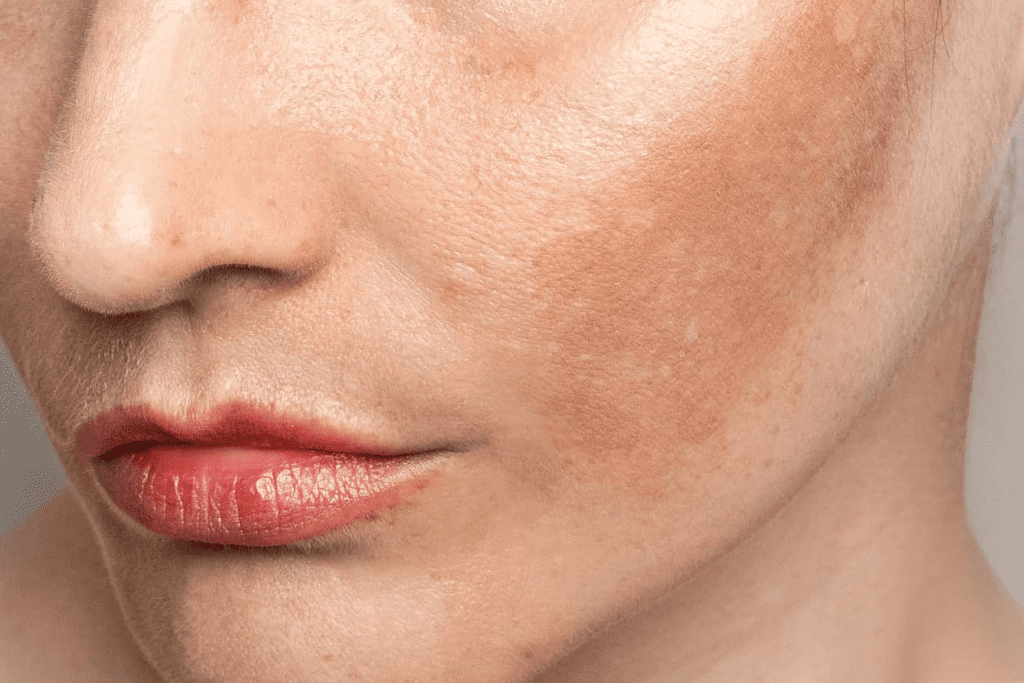
Melasma is one of the most challenging skin conditions to treat. It appears as dark brown, gray-brown, or patchy discoloration on the face, commonly affecting the cheeks, forehead, nose, and upper lip. Many people struggle with this condition for years because it is triggered by sun exposure, hormonal changes, genetics, and inflammation.
We understand that triple combination cream for melasma requires a carefully planned dermatological approach, combining medical treatments, topical therapies, sun protection, and lifestyle changes. In this comprehensive guide, we present the most effective dermatologist-approved treatments for melasma that help reduce pigmentation, improve skin tone, and restore healthy skin.
Understanding Melasma and Its Causes
Melasma occurs when melanocytes (pigment-producing cells) become overactive and produce excessive melanin. This pigment then deposits deeper into the skin layers, causing dark patches.
Common causes include:
- Sun exposure
- Hormonal fluctuations such as pregnancy or birth control
- Genetic predisposition
- Skin inflammation
- Certain medications or cosmetics
Because melasma is often deeply rooted in the skin, treatment requires consistent care and professional guidance.
Topical Dermatologist-Prescribed Treatments for Melasma
Topical treatments are often the first line of therapy recommended by dermatologists. These medications help reduce melanin production and gradually lighten dark patches.
Hydroquinone: The Gold Standard for Melasma Treatment
Hydroquinone remains the most widely prescribed treatment for melasma. It works by inhibiting the enzyme responsible for melanin production.
Key benefits include:
- Reduces dark patches
- Prevents new pigmentation
- Improves overall skin tone
Hydroquinone is typically prescribed in 2%–4% concentrations, although higher strengths may be recommended by dermatologists for severe melasma.
For best results, it is often used as part of combination therapy with retinoids and corticosteroids.
Tretinoin and Retinoids for Skin Renewal
Retinoids such as tretinoin are powerful vitamin A derivatives that increase skin cell turnover.
Benefits include:
- Accelerates removal of pigmented skin cells
- Enhances absorption of other treatments
- Improves skin texture
Regular use helps fade melasma gradually while promoting smoother and brighter skin.
Azelaic Acid for Gentle Pigment Control
Azelaic acid is a dermatologist-approved ingredient known for its ability to reduce pigmentation without causing significant irritation.
Its benefits include:
- Inhibiting abnormal melanocyte activity
- Reducing inflammation
- Improving uneven skin tone
It is particularly useful for people with sensitive skin or rosacea-prone complexions.
Kojic Acid and Arbutin for Natural Skin Brightening
Kojic acid and arbutin are natural skin-lightening agents often used in combination therapies.
They work by:
- Blocking melanin formation
- Gradually brightening pigmented areas
- Improving overall complexion
These ingredients are commonly found in dermatologist-formulated creams and serums.
Chemical Peels for Melasma Treatment
Chemical peels are another effective dermatological treatment for melasma, especially when topical therapies alone are not enough.
During a chemical peel, a controlled solution is applied to the skin to remove the outer layers and stimulate new skin growth.
Common peels used for melasma include:
Glycolic Acid Peels
Glycolic acid penetrates the skin deeply and helps:
- Exfoliate pigmented cells
- Improve skin brightness
- Stimulate collagen production
Salicylic Acid Peels
Salicylic acid peels are ideal for individuals who also experience acne alongside melasma.
They help reduce:
- Pigmentation
- Oil buildup
- Skin inflammation
Lactic Acid Peels
Lactic acid peels are gentler exfoliation treatments suitable for sensitive skin types.
They help brighten skin while maintaining hydration and smoothness.
Laser and Light-Based Treatments for Stubborn Melasma
When melasma becomes resistant to topical treatments, dermatologists may recommend laser or light-based procedures. Journal of the American Academy of Dermatology
These advanced treatments target melanin deposits deep within the skin.
Fractional Laser Therapy
Fractional lasers create micro-injuries in the skin that stimulate natural skin regeneration.
Benefits include:
- Breaking up melanin clusters
- Improving skin texture
- Reducing pigmentation gradually
Intense Pulsed Light (IPL) Therapy
IPL therapy uses broad-spectrum light energy to target pigmentation.
It helps:
- Reduce discoloration
- Even out skin tone
- Stimulate skin renewal
Multiple sessions are usually required for optimal results.
Microneedling with Skin-Lightening Serums
Microneedling is becoming an increasingly popular treatment for melasma.
During the procedure, tiny needles create microchannels in the skin, allowing pigmentation-fighting serums to penetrate deeper.
This treatment:
- Stimulates collagen production
- Enhances absorption of brightening ingredients
- Improves stubborn pigmentation
Microneedling combined with tranexamic acid or vitamin C serums has shown promising results in melasma management.
Tranexamic Acid: A Breakthrough Treatment for Melasma
Tranexamic acid has gained recognition as a highly effective treatment for stubborn melasma.
It works by:
- Reducing melanin production pathways
- Preventing pigment formation
- Improving skin clarity
Dermatologists may prescribe tranexamic acid in several forms:
- Topical creams
- Oral tablets
- Intradermal injections
Many patients see significant improvement within several months of consistent treatment.
Essential Sun Protection for Preventing Melasma
Sun protection is the most critical component of melasma treatment. Without proper protection, even the best treatments will fail.
Daily sun protection should include:
- Broad-spectrum sunscreen (SPF 50+)
- Wide-brim hats
- Protective sunglasses
- Avoiding peak sunlight hours
Dermatologists often recommend mineral sunscreens containing zinc oxide or titanium dioxide, which provide superior protection against UV and visible light.
Reapplication every two hours is essential for maintaining effective protection.
Skincare Routine Recommended by Dermatologists
A consistent skincare routine greatly enhances melasma treatment outcomes.
A dermatologist-approved routine includes:
Morning Routine
- Gentle cleanser
- Antioxidant serum (Vitamin C)
- Brightening treatment
- Moisturizer
- Broad-spectrum sunscreen
Evening Routine
- Gentle cleanser
- Prescription treatment (retinoid or hydroquinone)
- Hydrating moisturizer
- Barrier-repair cream
Maintaining this routine helps support skin healing and pigment reduction.
Lifestyle Changes That Improve Melasma
Certain lifestyle habits can significantly affect melasma severity.
Dermatologists recommend:
- Reducing sun exposure
- Managing hormonal triggers
- Avoiding harsh skincare products
- Eating antioxidant-rich foods
Foods high in vitamin C, vitamin E, and polyphenols support skin health and reduce oxidative stress that contributes to pigmentation.
How Long Melasma Treatment Takes
Melasma treatment requires patience and consistency.
Most people begin seeing improvement within 8 to 12 weeks, although complete fading may take several months or longer depending on severity.
Regular dermatologist follow-ups ensure the treatment plan remains safe, effective, and customized to individual skin needs.
Preventing Melasma from Returning
Even after successful treatment, melasma can return if preventive steps are not maintained.
Long-term prevention includes:
- Daily sunscreen use
- Maintenance skincare treatments
- Regular dermatology checkups
- Avoiding excessive heat and sun exposure
These strategies help maintain clearer, healthier skin over time.
Conclusion
Melasma is a persistent pigmentation condition, but modern dermatology offers powerful and effective treatment solutions. Through the combination of topical medications, chemical peels, advanced laser treatments, and strict sun protection, we can significantly reduce discoloration and restore a balanced complexion.
With the right dermatologist-guided plan and consistent skincare routine, individuals struggling with melasma can achieve visible, long-lasting improvements in skin clarity and tone.