
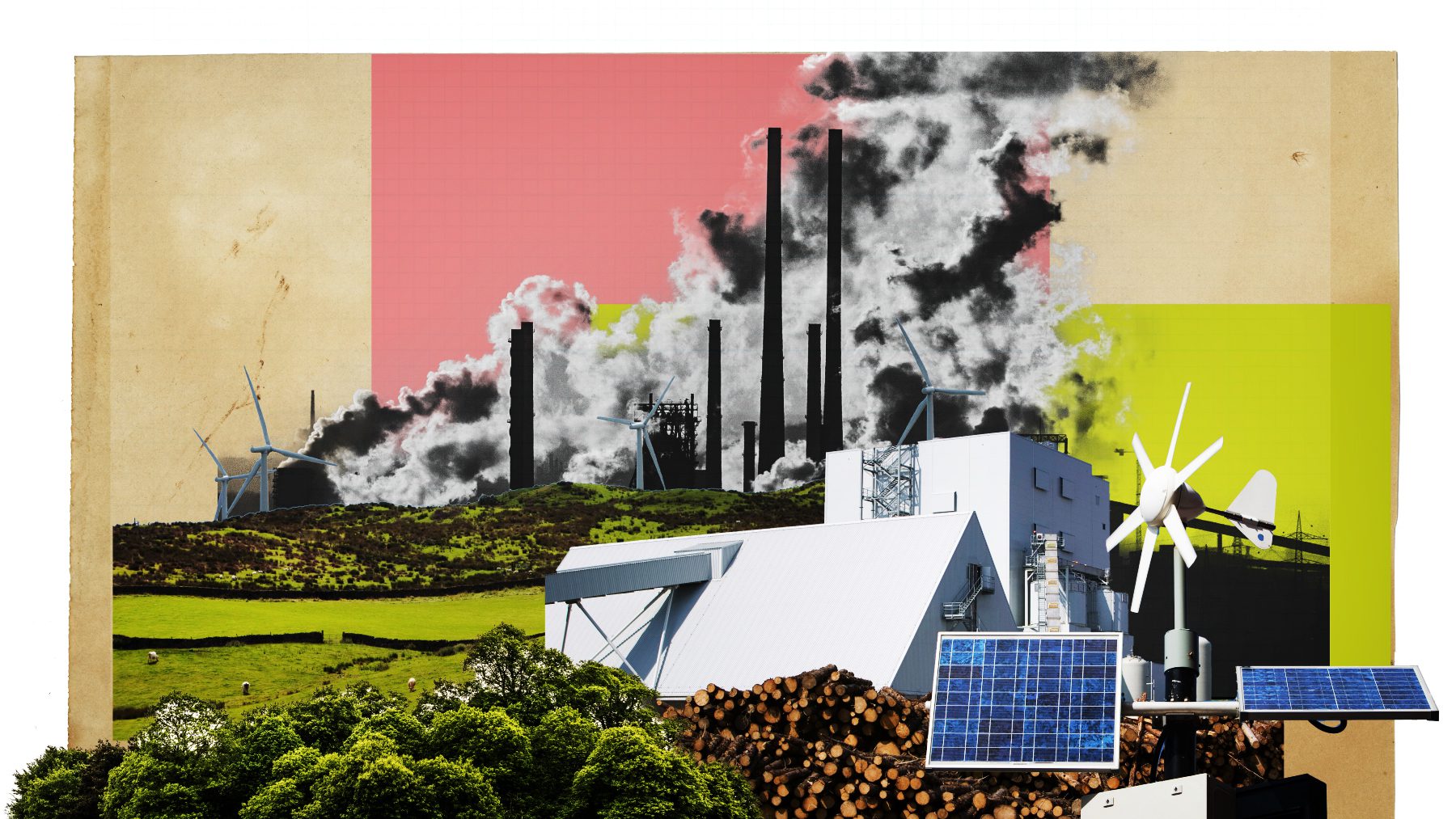
Introduction
Climate change is no longer a distant concern. Rising temperatures, unpredictable weather patterns, and increasing environmental regulations are shaping the way individuals and businesses operate. As awareness grows, many are looking for practical ways to reduce their environmental footprint.
One effective strategy is to measure emissions and take responsibility for unavoidable carbon output. This is where offsetting becomes important.
Buy carbon offset options are increasingly explored by organizations seeking measurable climate action strategies that complement internal sustainability efforts.
Carbon offsetting does not replace emission reduction. Instead, it supports verified environmental projects that remove or prevent carbon emissions elsewhere. When done responsibly, it becomes a meaningful part of a broader climate strategy.
Understanding Carbon Offsets
Carbon offsets represent a reduction or removal of greenhouse gases to compensate for emissions produced elsewhere. These projects are carefully measured and verified.
Common types of offset projects include:
- Reforestation and afforestation
- Renewable energy development
- Methane capture initiatives
- Energy efficiency programs
- Soil carbon sequestration
Each project generates carbon credits, typically equal to one metric ton of carbon dioxide reduced or removed.
Why Carbon Offsetting Matters
Addressing Unavoidable Emissions
Even organizations with strong sustainability plans cannot eliminate all emissions. Travel, manufacturing, logistics, and supply chains generate unavoidable carbon output.
Offsets provide a practical way to balance that footprint while long-term reduction plans evolve.
Supporting Global Climate Goals
Carbon offset projects often contribute to international environmental objectives such as:
- Biodiversity protection
- Clean energy access
- Community development
- Ecosystem restoration
When verified under recognized standards, offsets ensure transparency and measurable impact.
How to Evaluate Quality Offsets
Not all offsets are equal. Careful evaluation ensures credibility and environmental value.
Look for Verification
High-quality projects are:
- Independently audited
- Certified under recognized standards
- Transparent in reporting
Ensure Additionality
Additionality means the project would not have occurred without carbon credit funding. This ensures real environmental benefit.
Confirm Permanence
Projects should guarantee long-term carbon storage or reduction, especially in forestry initiatives.
Integrating Offsets into Sustainability Strategy
Offsets should be part of a structured sustainability plan rather than a standalone solution.
Effective integration includes:
- Measuring carbon footprint accurately
- Setting reduction targets
- Implementing internal efficiency improvements
- Offsetting remaining emissions responsibly
This layered approach strengthens environmental accountability and avoids overreliance on external solutions.
The Role of Transparency
Public reporting builds trust. Organizations increasingly publish sustainability reports outlining:
- Total emissions
- Reduction progress
- Offset usage
- Project types supported
Transparent communication prevents greenwashing and demonstrates commitment.
Environmental and Social Co-Benefits
Carbon offset projects often deliver additional advantages beyond emission reduction.
These may include:
- Job creation in rural communities
- Improved air quality
- Water conservation
- Habitat restoration
Such co-benefits amplify environmental and social value.
Long-Term Climate Responsibility
Climate action requires long-term planning. Offsets should support not replace direct reduction efforts.
Organizations that treat carbon offsetting as part of a broader climate responsibility strategy position themselves for future regulatory and market expectations.
Conclusion
Carbon offsetting represents a practical tool within a comprehensive sustainability framework. When carefully selected and transparently managed, offsets can support measurable climate impact and environmental restoration.
Organizations that aim to responsibly Buy carbon offset credits should prioritize verified projects that align with long-term reduction commitments rather than short-term image goals.
Responsible climate strategies focus on reduction first and offsetting second creating balanced, accountable environmental action.
FAQs
1. What is a carbon offset?
A carbon offset is a measurable reduction or removal of greenhouse gas emissions used to compensate for emissions produced elsewhere. Each offset typically represents one metric ton of carbon dioxide reduced or removed through verified environmental projects.
2. Are carbon offsets a replacement for emission reductions?
No. Offsets complement emission reduction efforts but do not replace them. Organizations should reduce emissions internally first, then offset unavoidable emissions to balance their footprint responsibly.
3. How can I verify a carbon offset project?
Look for independent certification, third-party audits, transparent reporting, and recognized standards that confirm the project’s additionality, permanence, and measurable environmental impact.
4. What types of projects generate carbon offsets?
Common projects include reforestation, renewable energy installations, methane capture systems, and energy efficiency improvements that prevent or remove greenhouse gases.
5. Do carbon offsets have social benefits?
Yes. Many offset projects create employment opportunities, support local communities, protect biodiversity, and improve environmental conditions alongside emission reductions.