
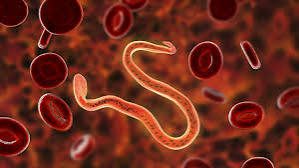
Intestinal parasites are organisms that live in the digestive tract and obtain nutrients from their host. They can affect people in many parts of the world, although the risk can be higher where sanitation, clean water, and food safety are limited.
Some intestinal parasites cause mild symptoms, while others can lead to significant digestive problems or nutritional complications. Treatment depends on the specific parasite, the severity of infection, and the patient’s overall health.
Understanding common intestinal parasites and their treatment options can help people recognize why proper diagnosis is important.
What Are Intestinal Parasites?
Intestinal parasites are organisms that live in or on a person’s body and obtain nutrients from the host.
Common intestinal parasites include certain worms and microscopic organisms. Different parasites have different life cycles and respond to different medicines.
This means there is no single treatment that works against every intestinal parasite.
A healthcare professional may use symptoms, travel history, exposure risks, stool testing, or other laboratory tests to identify the infection.
Common Types of Intestinal Parasites
Several parasites can infect the human digestive system.
Some of the more commonly recognized groups include:
- Roundworms
- Hookworms
- Pinworms
- Whipworms
- Tapeworms
- Giardia
- Certain intestinal protozoa
The symptoms and appropriate treatment can vary considerably between these infections.
Tapeworm Infections
Tapeworms are flat, segmented worms that can live in the intestines. People may become infected by consuming food containing certain tapeworm larvae or through other exposure routes, depending on the species.
Some intestinal tapeworm infections may cause abdominal discomfort, changes in appetite, nausea, or changes in bowel habits. However, some people have few or no symptoms.
Treatment depends on the specific tapeworm species and location of infection.
What Is Niclosamide?
Niclosamide is an antiparasitic medicine that has been used to treat certain intestinal tapeworm infections.
It works primarily within the digestive tract and interferes with the energy-producing processes of susceptible tapeworms.
People researching niclosamide tablets and intestinal parasite treatment should understand that niclosamide is not a universal treatment for all intestinal parasites.
Its use depends on the particular parasite and local medical guidance.
How Does Niclosamide Work?
Niclosamide acts mainly within the intestinal tract. It interferes with energy production in susceptible worms, helping eliminate certain intestinal tapeworm infections.
Because different parasites have different biological structures, a medicine effective against tapeworms may not work against roundworms, pinworms, or protozoal infections.
This is why identifying the parasite is an important part of selecting treatment.
Other Medicines Used for Intestinal Parasites
Several medications may be used against intestinal parasites, depending on the infection.
For example, healthcare professionals may use different antiparasitic medicines for:
- Roundworm infections
- Hookworm infections
- Pinworm infections
- Whipworm infections
- Tapeworm infections
- Giardia infections
The correct medicine, dose, and treatment duration depend on the specific diagnosis.
Patients should not assume that one antiparasitic medication can replace another.
How Are Intestinal Parasites Diagnosed?
Diagnosis may involve several approaches.
A healthcare professional may ask about:
- Symptoms
- Recent travel
- Food and water exposure
- Household contacts
- Animal exposure
- Previous infections
- Medical history
Stool testing may be used to identify parasite eggs, larvae, cysts, or other evidence of infection.
In some cases, additional testing may be required.
Common Symptoms
Intestinal parasite infections can produce different symptoms depending on the organism.
Possible symptoms include:
- Abdominal pain
- Diarrhea
- Nausea
- Bloating
- Changes in appetite
- Fatigue
- Unexplained weight changes
- Itching around the anus in some infections
Some infections cause no noticeable symptoms and may only be identified through testing.
Persistent digestive symptoms should not automatically be assumed to be caused by parasites.
How Do People Become Infected?
Transmission depends on the parasite.
Common routes can include contaminated food or water, inadequate hand hygiene, undercooked meat or fish, contaminated soil, and contact with infected people or animals.
Some parasites are more common in particular geographic regions or environments.
Understanding the transmission route can help reduce the risk of reinfection.
Preventing Intestinal Parasite Infections
Good hygiene and food safety practices can reduce exposure to many intestinal parasites.
Helpful habits include:
- Wash hands thoroughly with soap and water.
- Drink safe, treated water.
- Wash fruits and vegetables properly.
- Cook meat and fish thoroughly.
- Keep food preparation surfaces clean.
- Avoid sharing personal hygiene items.
- Wear appropriate footwear in areas where contaminated soil may be present.
- Follow local health advice when traveling.
Prevention strategies should be adapted to the specific parasite and environment.
Why Proper Treatment Matters
Some intestinal parasite infections may resolve with appropriate treatment, while others can persist without medical care.
Treatment can help eliminate the parasite and reduce the risk of complications or transmission.
However, taking the wrong medicine may delay effective treatment. It can also create confusion about whether symptoms are improving.
For this reason, diagnosis should guide treatment whenever possible.
Can Parasites Return After Treatment?
Yes. A person may become reinfected after successful treatment if exposure continues.
For example, certain infections can spread between household members, while others may be associated with contaminated food, water, or soil.
In some situations, healthcare professionals may recommend treatment or testing for household contacts.
Following hygiene and food-safety measures can help reduce the chance of recurrence.
When Should You Seek Medical Advice?
Medical evaluation may be appropriate if digestive symptoms are persistent, severe, or unexplained.
Seek professional advice if you experience:
- Persistent diarrhea
- Severe abdominal pain
- Unexplained weight loss
- Blood in the stool
- Persistent vomiting
- Significant weakness or dehydration
- Symptoms following relevant travel or exposure
Children, older adults, pregnant people, and individuals with certain health conditions may require particular attention when parasite infection is suspected.
Frequently Asked Questions
What are the most common intestinal parasites?
Common intestinal parasites include pinworms, roundworms, hookworms, whipworms, tapeworms, and certain protozoal organisms such as Giardia.
Does niclosamide treat all intestinal parasites?
No. Niclosamide is mainly used against certain tapeworm infections. Other parasites generally require different treatments.
How are intestinal parasites diagnosed?
Diagnosis may involve a medical history, physical evaluation, and laboratory testing such as stool examinations. The appropriate test depends on the suspected parasite.
Can intestinal parasites cause diarrhea?
Yes. Some intestinal parasites can cause diarrhea, abdominal discomfort, bloating, or other digestive symptoms. However, many non-parasitic conditions can cause similar symptoms.
Can intestinal parasites be prevented?
Good hand hygiene, safe drinking water, proper food preparation, thorough cooking, and appropriate sanitation can reduce the risk of many parasitic infections.
Should I take an antiparasitic medicine without testing?
It is better to seek medical advice before taking an antiparasitic medicine. Different parasites require different treatments, and similar symptoms can have many other causes.
Conclusion
Intestinal parasites include a wide range of organisms that can affect the digestive system. Their symptoms, transmission routes, and treatments vary considerably.
Niclosamide is one antiparasitic medicine used against certain intestinal tapeworm infections, but it is not appropriate for every type of parasite. Other infections require different medicines and treatment strategies.
If a parasitic infection is suspected, proper medical evaluation can help identify the organism and guide appropriate treatment. Alongside treatment, good hygiene, safe food practices, and clean water can play an important role in preventing infection and reinfection.