
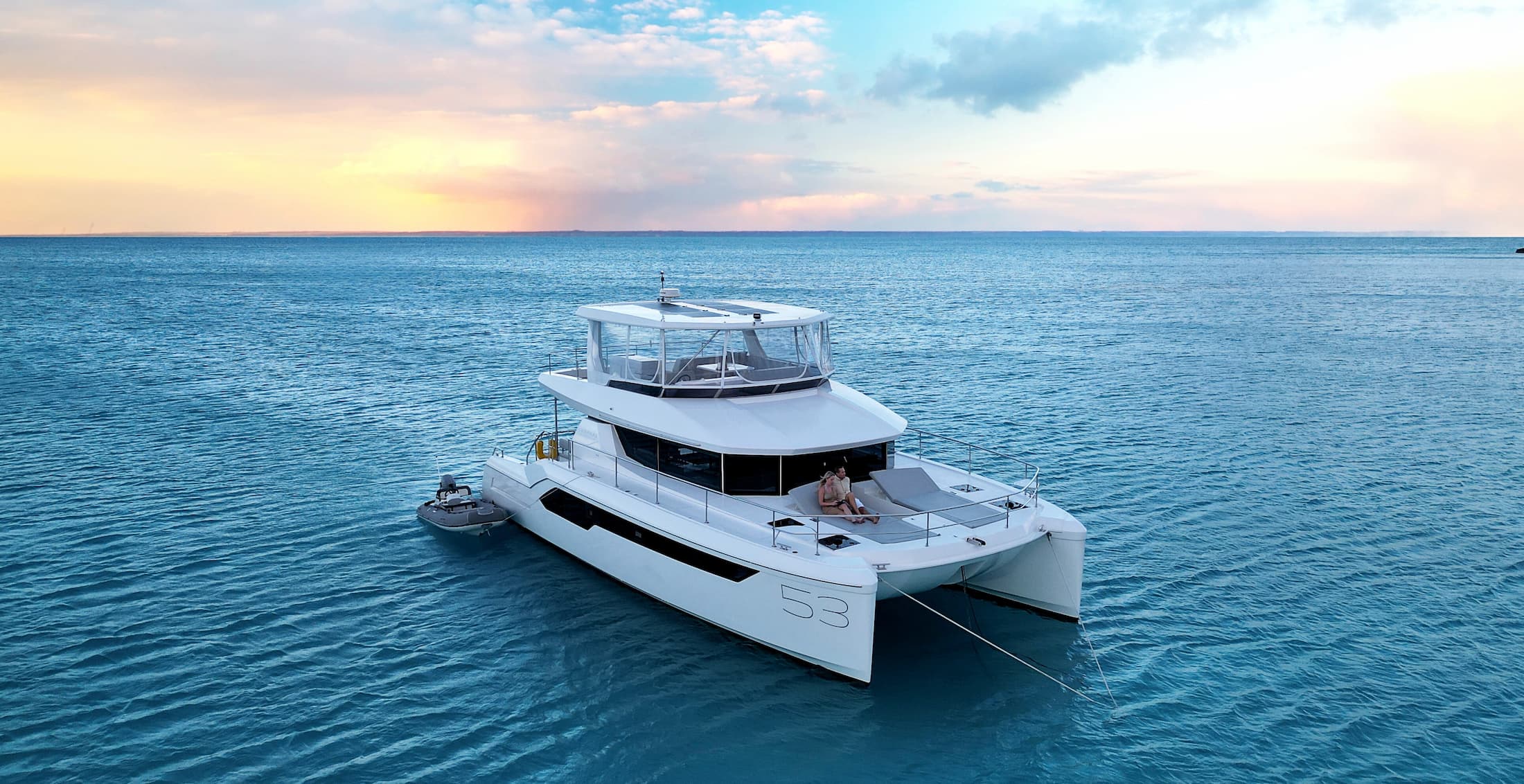
A catamaran charter holiday is one of the best ways to explore the coast, but packing for one is slightly different from packing for a traditional beach holiday. Space is limited, the environment is more casual, and you will spend much of your time moving between the boat, the sea and the shore.
The good news is that you don’t need to take everything with you. In fact, packing light is one of the best things you can do. Here’s what you really need for a comfortable catamaran charter.
Soft bags rather than suitcases
The first rule of packing for a catamaran is to leave the hard suitcase at home if possible. Cabin storage is designed around practicality rather than large rigid cases, and a suitcase can be surprisingly difficult to find somewhere to store.
Soft-sided holdalls or duffel bags are ideal because they can be folded away once emptied. For a week-long charter, one reasonably sized bag per person is usually more than enough.
It’s also worth avoiding the temptation to pack for every possible occasion. Life on board is generally very casual, and you’ll probably spend most of your time in swimwear, shorts and a T-shirt.
Clothes
For a typical summer catamaran holiday, you don’t need a huge wardrobe. Think lightweight, versatile and quick-drying.
A sensible starting point is:
- 5–7 T-shirts or lightweight tops
- 3–4 pairs of shorts
- 2–3 swimsuits or pairs of swimming shorts
- Underwear for the duration of the trip
- A couple of lightweight evening outfits
- One warmer layer, such as a fleece or sweatshirt
- Lightweight trousers or joggers
- Sleepwear
- A lightweight waterproof or windproof jacket
Even in hot climates, evenings can occasionally feel cool when you are out on the water, particularly when the boat is moving. A light fleece or sweatshirt takes up very little space and is worth bringing.
If you’re planning to eat at smart waterfront restaurants, one slightly smarter outfit is useful, but there is rarely any need for formal clothing.
Footwear
You may spend surprisingly little time wearing shoes.
Bare feet or sandals are often the norm on board, although your skipper or charter company may have specific rules. A pair of comfortable sandals or flip-flops is essential, while lightweight trainers are useful for exploring ashore.
If you plan to hike, explore rocky beaches or visit less developed anchorages, consider bringing a pair of lightweight walking shoes or water shoes.
Avoid bringing lots of footwear. Three pairs should be more than enough for most people.
Sun protection
This is one area where it pays to be prepared. Being surrounded by water means you can be exposed to a lot of reflected sunlight, and the breeze can make it surprisingly easy to underestimate how much sun you are getting.
Pack:
- High-factor sunscreen
- SPF lip balm
- Sunglasses
- A sun hat or cap
- After-sun or moisturiser
- A lightweight long-sleeved top for extra sun protection
Bring more sunscreen than you think you will need. Buying it in a small island shop or marina can be considerably more expensive than bringing it from home.
A pair of sunglasses with a secure strap is also a good idea. Sunglasses have a remarkable ability to disappear into the Mediterranean.
Swimming and water activities
The water is likely to be a major part of your holiday, so make sure your swimming gear is easily accessible rather than buried at the bottom of your bag.
Two or three swimsuits or pairs of swimming shorts means you can always have a dry set available. A rash vest can be particularly useful for children or anyone who spends long periods snorkelling.
If your charter company provides equipment such as snorkelling gear, check before packing your own. Otherwise, your own mask and snorkel can be worthwhile if you prefer equipment that fits properly.
Toiletries and medication
Keep toiletries to a minimum and use small travel-sized bottles where possible.
The basics include toothbrush and toothpaste, shampoo, shower gel, deodorant, moisturiser and any personal medication. Biodegradable or environmentally friendly toiletries are preferable because some products can be harmful to the marine environment.
Don’t forget seasickness medication if anyone in your group is prone to motion sickness. Even experienced sailors can occasionally feel uncomfortable in rougher conditions.
A small personal first-aid kit can also be useful, although the boat should have its own safety equipment and first-aid supplies.
Electronics
You don’t need much technology on a sailing holiday, but there are a few things worth bringing.
Your phone, charging cable and a power bank are the obvious essentials. A waterproof phone pouch can be extremely useful when you’re swimming from the boat or travelling ashore by dinghy.
A portable Bluetooth speaker can be great for evenings in an anchorage, although keep the volume considerate of neighbouring boats.
A Kindle or book is also worth considering. Sailing holidays are one of the rare occasions when you might actually have time to read it.
Check what charging facilities are available on your catamaran before you leave. Many boats have USB charging points, but it is worth bringing the appropriate adapters and cables.
Useful extras
A few small items can make life on board considerably easier:
- Reusable water bottle
- Small day bag
- Dry bag
- Head torch
- Reusable shopping bag
- Earplugs
- Zip-lock bags for keeping small items dry
- Microfibre towel
- Travel laundry detergent
A dry bag is particularly useful for taking phones, wallets and other valuables ashore in the dinghy.
Most charter boats provide bed linen and bath towels, but check what is included before you pack. Some companies provide beach towels too, while others expect you to bring your own.
What not to bring
Just as important as knowing what to pack is knowing what to leave behind.
Avoid large hard suitcases, excessive clothing, unnecessary gadgets and anything you wouldn’t normally use on holiday. High heels are rarely useful, bulky hairdryers are generally unnecessary, and multiple pairs of shoes simply take up valuable storage space.
The best approach is to pack for the reality of the holiday rather than the possibility of one.
A catamaran charter is relaxed, outdoorsy and informal. Pack lightweight clothes, good sun protection, swimwear, comfortable footwear and a few practical essentials, then leave the rest at home.
Once you’re on board, you’ll probably find that the less you brought with you, the better.